
Understanding the psychological triggers that drive casino behavior
Understanding the psychological triggers that drive casino behavior
The Allure of Uncertainty
The experience of gambling in a casino is often fueled by the psychological allure of uncertainty. This unpredictability creates a thrill that many find irresistible. The potential for an unexpected windfall can lead to increased engagement, driving players to pursue that next big win. This behavior is rooted in the brain’s reward systems, which release dopamine—a chemical associated with pleasure—when an individual wins or even anticipates a win. In fact, many players find that visiting fortislots.casino enhances their excitement and overall experience.

Social Influences and Group Dynamics
Social dynamics play a critical role in shaping gambling behaviors. The casino environment is designed to be socially engaging, allowing players to interact with one another. This communal aspect can create a sense of belonging, often amplifying the emotional high associated with winning and the shared experience of gambling. Many players feel compelled to join in on the excitement, particularly when surrounded by others who are also participating in the games.
Moreover, the presence of friends or strangers can enhance the overall experience. Players are more likely to take risks when they are in a group setting, influenced by social norms and peer behaviors. The visibility of winning players can create an aspirational atmosphere, encouraging onlookers to join in the action in hopes of replicating that success. This aspect of social influence contributes to the ongoing cycle of casino engagement.
Casinos often capitalize on this social dynamic by creating spaces that encourage interaction, such as communal tables and lounges. These areas not only enhance the social experience but also act as subtle nudges for individuals to gamble more. Consequently, the emotional highs and lows experienced in these group settings can significantly impact overall gambling behavior and the choices made within the casino environment.
The Role of Cognitive Biases
Cognitive biases are mental shortcuts that can influence our decision-making processes. In casinos, several cognitive biases contribute to gambling behavior, making players more likely to engage in certain actions. One prevalent bias is the illusion of control, where players believe they can influence game outcomes despite the inherent randomness of games like slots or roulette. This belief can lead to an increased frequency of play, as individuals feel they have an edge over the house.
Another common cognitive bias is the gambler’s fallacy, where players mistakenly believe that past outcomes affect future results. For instance, if a player observes a series of losses, they may assume that a win is “due.” Such misunderstandings can create an obsessive cycle of gambling as players chase their perceived luck, often leading to increased betting and spending.
Understanding these cognitive biases can help casino operators craft marketing strategies that resonate with players’ psychological tendencies. By leveraging these biases, casinos can enhance the overall gaming experience, while players may find themselves caught in a cycle of behavior that is driven more by psychological triggers than logical reasoning. This interplay ultimately shapes the complex landscape of casino behavior.
The Impact of Environmental Cues
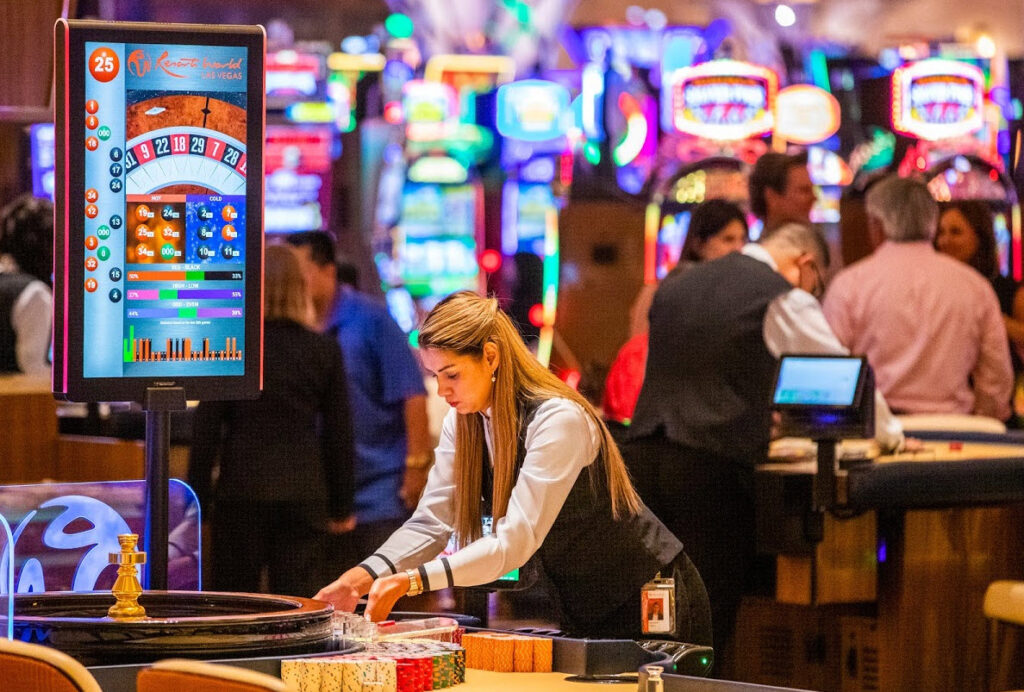
The casino environment itself is laden with stimuli designed to evoke specific emotional responses. Elements such as lighting, sounds, and decor are meticulously crafted to create an immersive experience that encourages prolonged gambling behavior. Bright lights and the ringing of slot machines can create an atmosphere of excitement, making it difficult for players to leave once they start playing.
Moreover, the arrangement of gaming tables and machines is often intentional. High-traffic areas are strategically placed to draw in players, while the layout promotes continuous play. The absence of clocks and windows can further disorient players regarding time, encouraging them to stay longer and gamble more. These environmental cues are powerful tools that manipulate player behavior, making it essential for casinos to understand their influence.
These factors intertwine with the psychological triggers already discussed, forming a comprehensive framework that drives casino behavior. By recognizing how environmental stimuli can enhance or diminish their gaming experience, players may gain insight into their own behaviors and patterns. This awareness can empower individuals to make more informed choices about their gambling habits in the face of these omnipresent cues.
Fortislots Casino: A User-Centric Approach
Fortislots Casino exemplifies a modern approach to online gambling, integrating various psychological triggers into its design and offerings. With an extensive range of games, including slots and live tables, the platform caters to the diverse preferences of its users. New players are welcomed with a generous bonus package, providing a strong incentive to engage and explore the gaming environment.
The platform’s commitment to user experience is evident in its seamless navigation and secure transaction options, which enhance player confidence and comfort. By providing a safe space for players to enjoy their gambling experience, Fortislots Casino addresses several psychological triggers—such as the need for security and the desire for a rewarding atmosphere—making it an attractive option for both new and returning users.
Additionally, Fortislots Casino offers 24/7 support and regular promotions, ensuring that players feel valued and engaged. By understanding the psychological components that drive casino behavior, the platform successfully creates an environment that fosters loyalty and excitement. This focus on user experience highlights the importance of addressing psychological triggers in the world of online gambling.
“`